

The Pelican — SWAN LAKE WATER: For the Birds or For the Tap?
Updated: Oct 1
By Tina Nappe and Marisa Ernst

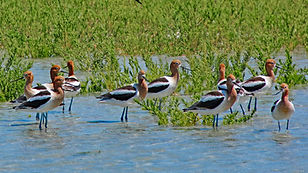
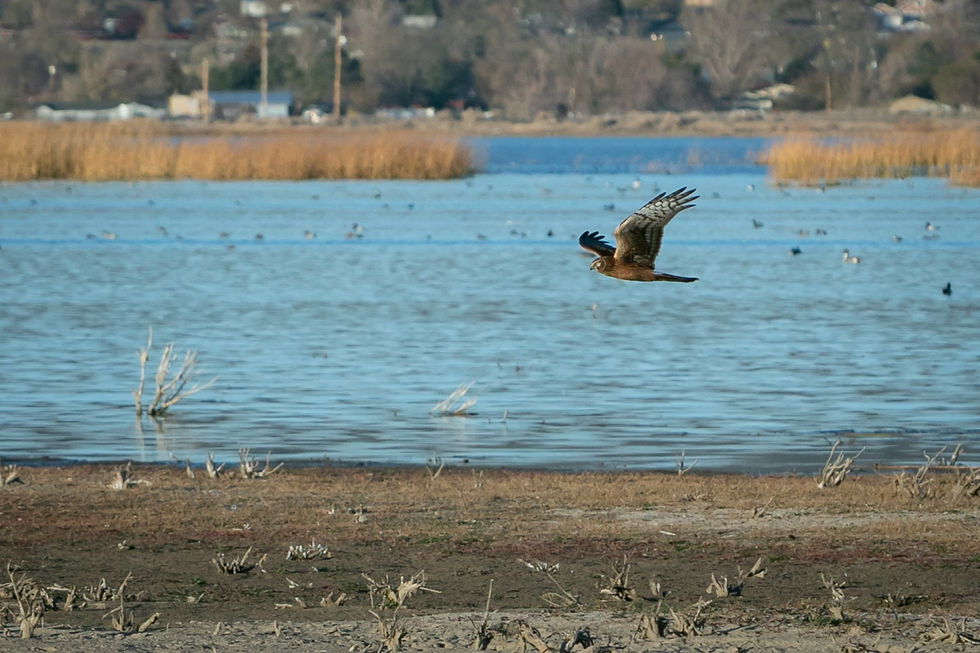
Swan Lake in the North Valleys is one of the most popular birding sites within the expanding Reno-Sparks radius. In fact, it is the only birding site in the area with this variety and number of species. The lake is named for its wintering tundra swans, which require sufficient depth and space. The lake also supports large numbers of grebes, a wide variety of duck species, white-fronted geese, and many other water-dependent species year-round. Given its richness in avian species, Swan Lake has been designated an Important Birding Area by the National Audubon Society. Importantly, Swan Lake also makes up (to a small degree) for the extensive wetland loss in the Truckee Meadows. Unfortunately, the future of Swan Lake itself may be in danger!

On August 31, state and local officials, along with representatives of the Truckee Meadows Water Authority (TMWA), cheered as ground was broken at Lear Blvd. for the OneWaterNevada project. Phase 1 of this project includes constructing an Advanced Purified Water Facility (APWF) that will have the capacity to process up to 2 million gallons per day of reclaimed water from the Reno Stead Water Treatment Plant (RSWTP) and upgrade it to drinking water standards. After leaving the facility, the cleaned water will be injected at American Flats, where it will replenish the aquifer TMWA taps for its drinking water supply.
Developing a technology that adds up to 2 million gallons of drinking water per day from reclaimed sewage sounds like a win-win for the agencies that must supply the ever-growing population of the Reno-Sparks region with safe water. But the birds of Swan Lake may be the big losers in this high-tech project.

For more than a quarter century, the Reno Stead Water Treatment Plant (and, to a lesser extent, the county’s Lemmon Valley Wastewater operation) released reclaimed water from its plants into Swan Lake. These discharges have made up the largest portion of the water supplying the lake. Thanks to them, the lake has been a reliable, year-round surface water where birds can stop over during migration, find nourishment and – depending on the species – raise their young. (The two other sources of water for Swan Lake, the fresh water in Horse Creek that is fed from Peavine Mountain, and occasional, precipitation-dependent discharges from the road drains around Lemmon Valley both contribute much less water.)
What will be the consequences for Swan Lake once 2 million gallons per day are diverted to drinking water use? City and County officials we spoke with were optimistic that little will change for our Swan Lake bird sanctuary, and that both the lake and the birds will adapt. However, we are much less confident, not least because no known studies show the effects of drastically reducing water flow to the lake, nor are there safeguards guaranteeing that Swan Lake will not seasonally disappear or become a mud flat, as happened in the past. In fact, Swan Lake has no water rights or a guaranteed minimum water level! As visitors to Swan Lake can see with their own eyes, even with the current, unrestricted amount of water flowing into the lake, the water level already drops significantly during dry periods.

The NNBA Conservation Committee has been seeking dialogue with our public officials, but until now, the process has been extremely slow and unproductive. One of our goals is to rewrite a Memorandum of Understanding that spells out the commitment of stakeholders, including city, county, state, federal, and civil institutions to the Swan Lake and the Nature Study Area. (Such an agreement was signed in 1999, but was allowed to expire in 2024). Furthermore, we need to press for a firm commitment to maintain Swan Lake as a permanent body of water, even if this limits the options on alternative uses of reclaimed water.
Meghan Ebert, Reno Council member representing the North Valleys, expressed the potential of the APWF in the statement: “We’re using technology to give it another life.” But we cannot allow this to happen at the expense of the birds of Swan Lake, or the natural habitat on which they depend.
Please follow progress reports on the Swan Lake developments in the Pelican, in the local press, and in communications from public officials. The NNBA Conservation Committee needs specialist input in hydrology, wetlands, water rights, and anyone willing to work on this important conservation topic.
Please contact Marisa Ernst at marisa.ernst@nevadaaudubon.org


Thank you for this informative and insightful article, and for your efforts to protect Swan Lake.